
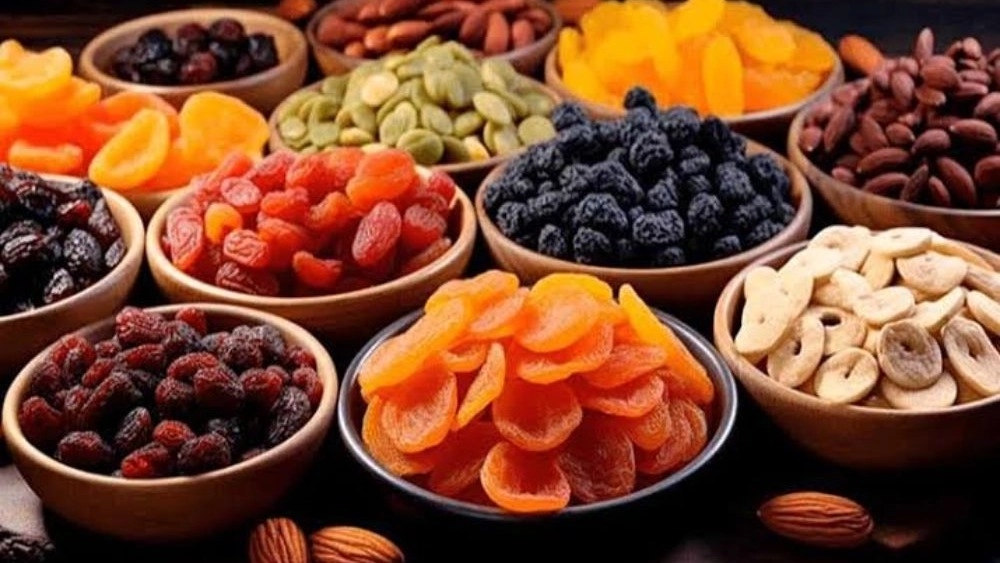
What is sliced dried fruit? Definition, types and features
- Stone fruits: Apples, pears, peaches, apricots, plums
- Citrus fruits: oranges, tangerines, limes, grapefruits
- Berry fruits: Strawberries, blueberries, raspberries (often pureed or in smaller pieces)
- Other fruits: Kiwi, mango, banana, pineapple, persimmon
Benefits of consuming sliced dried fruit: health, energy and taste in one package
- Rich Source of Nutrients: Although the juice is extracted, the vitamins (such as vitamin A and C), minerals (such as potassium, iron and magnesium), fiber and antioxidants remain concentrated in the dried fruit. This concentration makes dried fruits an excellent source of these substances.
- Fast and sustainable energy: The natural sugars in dried fruits (fructose and glucose) are quickly absorbed by the body and provide immediate energy. The fiber in them also helps in the gradual release of sugar in the blood and prevents a sudden drop in energy. This feature makes dried fruit an ideal snack for athletes, students, and busy people.
- Digestive health: The high fiber in dried fruits helps improve digestive function, prevent constipation, and maintain overall gut health.
- Powerful antioxidants: Dried fruits are rich in antioxidants that are Fight free radicals in the body and prevent cell damage, premature aging and chronic diseases.
- High durability and ease of storage: Unlike fresh fruits that have a short life, dried fruits can be stored for a long time. This feature makes them a great option for year-round use, especially during seasons when access to fresh fruit is limited. Proper packaging increases their useful life again. Wide use in cooking and confectionery: Sliced dried fruits give a special flavor to all kinds of cakes, cookies, bread, desserts, ice cream, granola, salads and even meat dishes. Also, alone as part of a cheese plate or together with brains, they are considered a stylish and healthy treat.
Production process of premium sliced dried fruit: maintaining quality and natural taste
- Selecting quality fruit: The first and most important step is to choose fresh, ripe, healthy fruit without any damage or pest. The quality of the initial fruit directly affects the quality of the final product.
- Preparation and washing: The fruits are carefully washed and any impurities, dust or possible toxic residues are removed. Then, depending on the type of fruit, the core, skin and seeds are separated and the fruit is prepared for cutting.
- Uniform cutting (slicing): Fruits are sliced into sheets of uniform thickness using precise cutting devices. The uniformity of the thickness is the key to homogeneous drying and to avoid burning or incomplete drying of parts of the fruit.
- Drying process: This stage is the most critical part of the production. There are different methods for drying:
- Drying with hot air (Conventional Dehydration): The most common method in which fruits are exposed to a stream of hot air with a controlled temperature. High temperature and short time preserves the color and taste better. Freeze drying: The most advanced method in which fruits are first frozen and then, under high vacuum, their juice is directly converted from solid state to vapor (sublimation). This method ensures the maximum preservation of nutrients, color, taste, aroma and original texture of the fruit and produces a very light and crispy product. Dried fruits produced by this method are usually considered "excellent".
- Drying in a vacuum (Vacuum Drying): Drying at a lower temperature than the hot air method and under vacuum, which helps to maintain better quality.
- Cooling and packaging: After reaching the desired humidity (usually between 5 and 15%), the dried fruits are cooled and immediately packed in hygienic packaging, resistant to moisture and light (such as multi-layer cellophane, aluminum envelopes or closed containers) to preserve their quality and freshness until consumption.
- Increased visibility in search results: When customers search Google for terms such as “buy sliced dried fruit”, “best dried fruit for export” or “premium dried fruit for sale”, articles and websites with better SEO will appear in higher rankings.
- Attract targeted traffic: Effective SEO drives users to your website that are really looking to buy your product, resulting in an increased conversion rate.
- Build credibility and trust: Top Google rankings subconsciously create a sense of trust and credibility in the user's mind.
- Reduce marketing costs: In the long run, SEO can be more effective than paid advertising and reduce customer acquisition costs. "Meshgini Zhikan dry fruit sales exports": Introducing a premium brand
- Premium quality: Meshghini Jikan does not compromise on quality in the selection of raw materials and the production process. The use of the best seasonal fruits and the use of modern drying methods (probably freeze drying or controlled heat drying) guarantee the maximum taste, color and properties of the products.
- Unparalleled variety: This brand offers a wide range of sliced dried fruits that meet every taste and need. From apples and oranges to kiwis and peaches, each slice tells a story of the fruit's natural flavor. Export standards: Zikan's mesh products are produced in strict compliance with international health and quality standards. This provides the necessary confidence to enter valid export markets. Professional and durable packaging ensures product quality during long transportation.
- Commitment to health: Staying away from any artificial additives, dyes or preservatives is the main motto of Meshgini Zikan. The goal is to provide completely natural and healthy products that can be enjoyed with complete confidence. Competitive advantage in international markets: Considering the growing trend of consuming healthy and natural products around the world, Iran's premium dried fruits, especially products that are produced with export standards, have a high potential for success in foreign markets. By providing world-class quality, the Meshgini Zikan brand can act as a worthy ambassador for this industry on the international stage.
Creative uses of sliced dried fruit in cooking and catering
- Homemade granola: Adding dried fruit slices to the granola mixture gives it a pleasant taste and texture.
- Cake and dessert decoration: Thin slices of dried fruit such as apple, orange or kiwi are a beautiful and natural decoration for all kinds of cakes, tarts and sweets.
- Special salads: Fruit slices Dried fruit (such as apples, apricots, or mangoes) can add a sweet flavor and chewy texture to seasonal salads, chicken salad, or quinoa salad.
- Mixed Nuts and Snacks: Combining sliced dried fruit with a variety of nuts, seeds, and chocolate is an energizing and tonic mix for parties or daily consumption.
- Snacks and Drinks Warm: Slices of dried fruit such as apples, oranges, and pears add a pleasant flavor and aroma to teas and winter teas.
- Stylish reception: Placing colorful dried fruit slices on a cheese board or alone next to tea or coffee will give your reception a beautiful and different effect.
Important points in buying and storing sliced dried fruit
- Packaging: Always choose products that come in healthy, airtight, and light-proof packages. Check the date of production and expiration.
- Appearance: Premium dry fruits should retain their natural color and not show any traces of mold, stains or unnatural discoloration. The slices should be relatively uniform.
- Texture: The texture of the dried fruit should not be too hard and woody or too soft and sticky. A quality dried fruit is slightly flexible and crunchy at the same time. Odor: The aroma of dried fruit should be natural and pleasant without any unpleasant, spicy or chemical smell. Storage: After opening the package, store dried fruits in a closed container in a dry, cool place away from direct sunlight. Refrigeration can be a good option for long-term quality preservation, especially in humid areas.
Challenges and future of dried fruit industry in Iran
- Fresh fruit price fluctuations: The variable price of primary fruits can affect the production cost and the final price of the dry product.
- Need to invest in technology: The use of new methods such as freeze-drying requires significant initial investment.
- Standardization and branding: Strengthening branding and efforts to obtain valid international standards are necessary to compete in global markets.
- Marketing and Product Introduction: Correct and effective introduction of quality Iranian dried fruits in international markets requires strong marketing strategies.